Aviation Switching Module – NSN 4920-01-250-2696 (AS-IS / Untested): Aerospace Electrical Control Component
Aviation Switching Module – NSN 4920-01-250-2696 (AS-IS / Untested): Aerospace Electrical Control Component
Blog Article
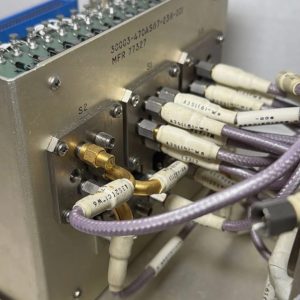
The Aviation Switching Module – NSN 4920-01-250-2696 (AS-IS / Untested) provides aviation maintenance organizations, military-surplus buyers, aerospace technicians, equipment restorers, and collectors with access to a catalog-identified switching component whose operational status has not been confirmed.
The Aircraft Switching Module can form part of a specialized aviation system, while the Aerospace Switching Module requires identification through labels, technical documentation, connector configuration, and application records.
An Aircraft Electrical Switching Module, Aviation Electrical Control Module, Aircraft Power Switching Module, Aerospace Electrical Control Unit, and Aircraft Signal Switching Module may describe related switching or control functions, but the exact purpose of this NSN should be verified before use.
The Aviation Control Module may be associated with a larger Aircraft Electronic Switching System, while the Aerospace Switching Unit and Aircraft Electrical Module should be inspected before connection or installation.
Why NSN Verification Matters
Accurate NSN verification helps reduce purchasing errors and prevents an unrelated module from being represented as compatible equipment.
Unknown markings should be photographed and recorded rather than interpreted without support.
Untested Switching Module Condition
Transparent AS-IS terms help specialists evaluate price and risk realistically.
Bench testing should begin only after technical documentation, circuit protection, connector identification, and safe power requirements are established.
Aircraft Switching Module Applications
The product page should avoid assigning a cockpit, power-distribution, test-set, or mission-system function without evidence.
Missing knobs, guards, labels, connectors, covers, or fasteners may reduce completeness.
Rugged Aviation Module Design
An Aerospace Switching Module may use a durable enclosure, secure connectors, internal wiring, switches, relays, terminal assemblies, circuit boards, or other configuration-specific components.
Protective caps should remain installed during storage and shipping when available.
Evaluating Aircraft Electrical Components
External condition cannot confirm the state of hidden relays, contacts, circuit boards, wiring, or internal components.
Seals, labels, inspection marks, tamper indicators, and original component arrangements may have historical or technical value.
Aviation Electrical Control Module Functions
Similar-looking modules may use completely different pin assignments and operating voltages.
High-resolution photographs can preserve readable details before cleaning or restoration.
Choosing an Aircraft Power Switching Module
Power switching equipment can create heat, arcing, or equipment damage when connected incorrectly.
Missing covers or barriers may expose conductive points and increase handling risk.
Aviation Control Unit Inspection
Troubleshooting requires a logical sequence based on technical information rather than random power application.
Detailed records support the long-term value of the Aerospace Electrical Control Unit.
Maintaining Aircraft Interface Hardware
Qualified evaluation supports responsible Aircraft Signal Switching Module use.
A complete accessory inventory improves the commercial presentation of the Aircraft Signal Switching Module.
Control Module Compatibility Review
Buyers should determine whether they need a direct replacement, restoration item, training aid, or parts source.
A matching NSN or housing does not always confirm identical internal configuration when modifications or supersessions exist.
Choosing an Aircraft Switching Unit
The unit can provide parts, reference information, display value, training opportunities, or a candidate for professional restoration.
Responsible educational use can extend the value of the Aircraft Switching Unit.
Power Distribution Module Inspection
A module should not be loaded electrically until contact condition, insulation, wiring, and circuit configuration are understood.
Mounting points should be inspected because secure installation can affect grounding, cooling, vibration resistance, and connector alignment.
Aircraft Module Functional Evaluation
Documented condition improves confidence among buyers of legacy Aircraft Electrical Control Unit equipment.
Functional evaluation should proceed in stages, beginning with research and non-powered inspection before controlled electrical testing.
Choosing an Aviation Power Control Module
The seller should avoid presenting the module as compatible with read more commercial aircraft, helicopters, military aircraft, or UAVs without evidence.
Technicians should inspect for capacitors, transformers, relays, damaged insulation, or hazardous residues before opening or testing the unit.
Understanding an Aircraft Electronic Switching System
A systems approach supports more accurate troubleshooting and restoration.
The module should not be blamed until related wiring and equipment are considered where the original system is available.
Protecting an Aerospace Switching Unit
Connector caps should remain fitted, and the module should be supported without placing pressure on switches, knobs, cables, or mounting brackets.
The module should be enclosed in a moisture-resistant protective layer and placed inside a strong outer carton or suitable shipping case.
Evaluating Surplus Aerospace Equipment
AS-IS equipment may offer attractive value when the purchaser has the knowledge and resources required for evaluation.
Remote buyers should request current photographs of the actual unit instead of relying on catalog images or pictures of similar equipment.
Inspecting the Aviation Switching Module Before Purchase
The buyer should request enough information for an aviation electronics technician, aerospace-equipment specialist, or experienced surplus buyer to evaluate the unit.
- Determine whether cables, plugs, manuals, test leads, mounting hardware, storage cases, or companion components are included.
- Arrange qualified technical evaluation whenever condition, internal status, or testing requirements remain uncertain.
- Inspect and photograph the module immediately after delivery before cleaning, opening, powering, wiring, modifying, or removing components.
Aerospace Module Troubleshooting Process
A methodical process reduces the risk of damaging rare aviation equipment.
Test results should identify which circuits or functions were checked and which remain unknown.
Aerospace Module Component Replacement
Temporary substitutions should not become undocumented permanent repairs.
The final product status should describe only the functions that were evaluated successfully.
Aviation Switching Module Conclusion
For the right purchaser, the unit can offer a useful foundation for technical research, controlled troubleshooting, component recovery, or legacy-equipment restoration.
Careful technical and commercial evaluation can reduce equipment damage, incompatible purchases, missing-accessory costs, testing hazards, and restoration delays.
Whether buyers need an Aircraft Power Switching Module, Aerospace Electrical Control Unit, Aircraft Signal Switching Module, or Aviation Control Module, electrical specifications should be verified before testing.
With complete evaluation and continued care, the Aviation Switching Module – NSN 4920-01-250-2696 (AS-IS / Untested) can deliver a professional combination of restoration potential, component value, technical interest, and aerospace-equipment relevance.
Report this page